Ryo Tatsuki’s Seismic Grip on Culture and Celebrity Fear
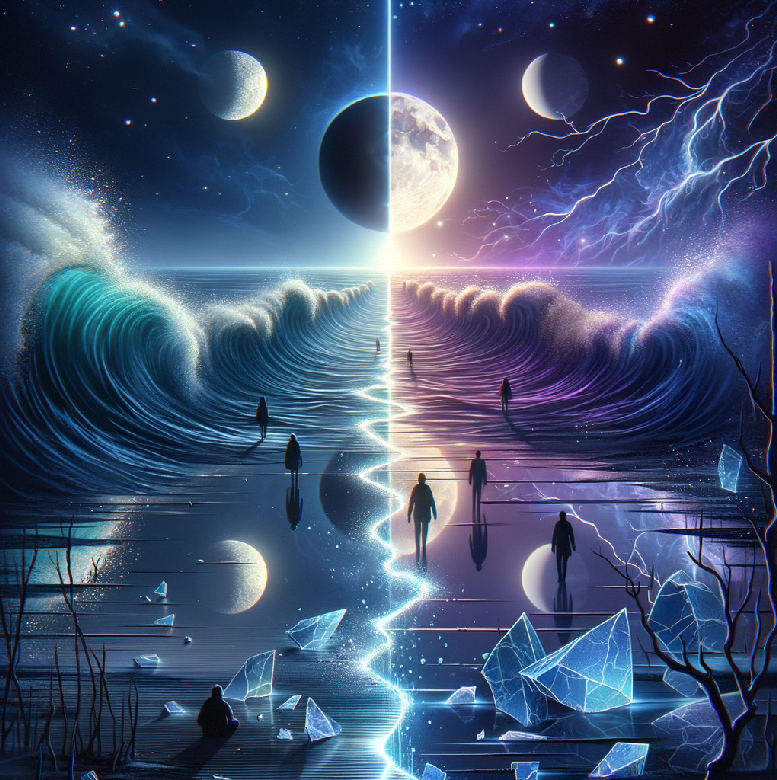
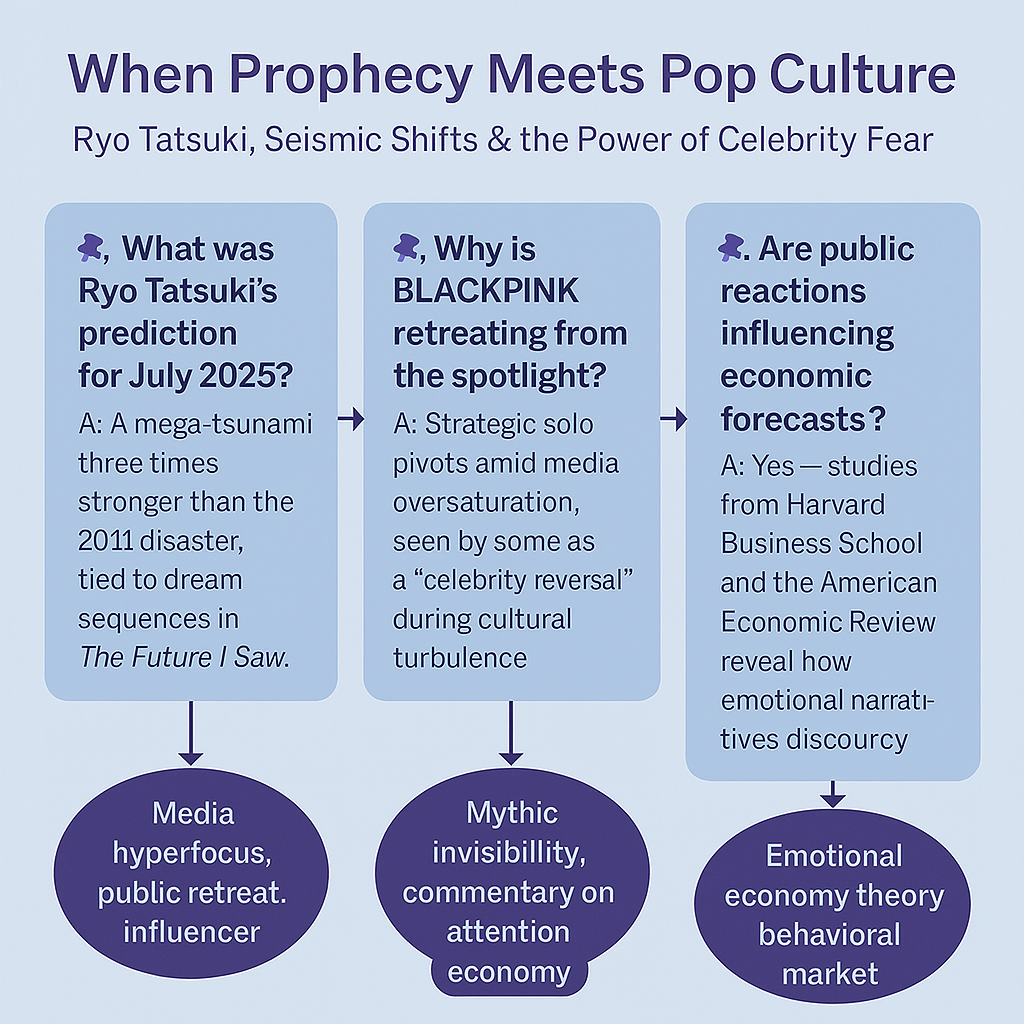
In July 2025, Japan’s seismic anxiety hit a fever pitch, not due solely to tectonic plates—but to the prophetic sketches of manga artist Ryo Tatsuki. Her work The Future I Saw predicted a tsunami surpassing the devastation of the 2011 Tōhoku disaster, mapped eerily to this very summer. As outlined by Firstpost, Tatsuki’s warning resurfaced just as volcanic alerts in Kyushu and the Tokara Islands intensified, leaving both citizens and celebrities scrambling.
From Manga to Media Frenzy
Tatsuki’s prophecy didn’t stay buried in cult fandom. As volcanic tremors shook Japan, Newsweek reported mass cancellations across coastal tourism sectors, fueled by renewed public fear. Even Nation Thailand echoed the unease, noting over 1,000 earthquakes in under 30 days near Tokara—seismic activity that seemed ripped from her illustrated dreams.
Meanwhile, her legacy on social platforms exploded. TikTok users racked up millions of views dissecting her timeline, fueling speculation about celebrity panic bunkers and delayed A-list vacations. The story’s momentum, as covered by Indulge Express, proved what manga fans knew all along—Tatsuki’s visions don’t just captivate, they agitate.
Fear, Forecast Bias & the Celebrity Economy
Prophecy panic sounds theatrical, but it’s altering economic behavior. Anna Scherbina, a Harvard researcher now at Brandeis University, studied how emotional triggers affect financial judgment. Her forecast bias paper reveals that analysts lean optimistic in uncertain times, skewing models when public sentiment shifts wildly.
Even broader, a team led by Pedro Bordalo and Andrei Shleifer published a compelling case in the American Economic Review, showing how macroeconomic forecasts systematically overreact to salient news, and underreact to slow burns. Their “diagnostic expectations” model applies chillingly well here: pop culture panic becomes a financial input, especially when celebrity behavior appears reactive.
Myth, Media & Modern Influence
Ryo Tatsuki’s prophecy doesn’t live in the past; it’s shaping the now. Her predictions offer more than fear. They’ve sparked a cultural shift in how people read symbols, react to dreams, and remix fiction into social truth. This isn’t just manga; it’s myth-making at scale. And whether or not the tsunami arrives, her influence already has.
From panic hashtags to coastal exit plans, from influencer countdowns to public policy stirrings: Tatsuki’s vision proves that today’s most powerful predictor isn’t AI, stock traders, or meteorologists. It’s story. It’s timing. It’s belief.
While Ryo Tatsuki’s prophecy rippled across news feeds and fandoms, another cultural withdrawal quietly reshaped the celebrity landscape. BLACKPINK, long synonymous with global omnipresence, has shifted into quiet pause. As Rolling Stone details, their solo pivots and absence from major festivals signal a strategic slowdown.
Jennie’s minimalist fashion campaigns, Rosé’s analog recording sessions, and Lisa’s soft-power brand appearances suggest a deliberate shift away from spectacle and toward autonomy. This retreat aligns with what media critics call “celebrity reversal,” a quiet recalibration designed to preserve mystique when the cultural climate feels volatile.
Predictions That Sparked Public Overreaction
| Prediction | Year | Public Reaction | Outcome | Source |
|---|---|---|---|---|
| Y2K Bug | 1999 | Mass panic over global tech failure; stockpiling and emergency prep surged | Minimal disruption; most systems patched in time | Smithsonian Magazine |
| Mayan Calendar “End of World” | 2012 | Global doomsday hysteria; survivalist sales spiked | No catastrophe; misinterpretation of calendar cycle | History.com |
| Freddie Mercury’s Death Prediction by Ryo Tatsuki | 1991 | Fans later linked her dream journal to his passing | Coincidental timing; no prior public warning | WION |
| COVID-19 Prophecy Claims | 2020 | Viral posts claimed various psychics foresaw the pandemic | No verified pre-2020 predictions; mostly retroactive | Vice |
| Ryo Tatsuki’s July 2025 Tsunami Warning | 2024–2025 | TikTok and Twitter flooded with seismic maps and manga overlays | No tsunami (as of July 11); ongoing speculation | Newsweek |
| Economic Forecast Overreactions | Various | Investors overreacted to macro predictions, causing market volatility | Often corrected post-event; driven by psychological bias | American Economic Review |
📌Summary: Reading the Ripple Effect📌
From manga-born prophecy to celebrity withdrawal, the threads of July 2025 weave a cultural narrative more electrifying than the news cycle itself. Ryo Tatsuki’s dream journal has shifted from niche folklore to viral gospel, pushing seismic speculation into mainstream discourse. Meanwhile, BLACKPINK’s strategic silence mirrors the media’s emotional volatility, reminding us that influence is as much about timing as it is visibility.
The result? A digital landscape where prophecy shapes planning, panic drives prediction, and even absence speaks louder than words. This isn’t just pop culture responding to chaos. It’s becoming the lens through which chaos is interpreted.
Final Thought: When Fear Goes Viral
Whether July 12 delivers on its predicted impact, its cultural resonance is already seismic. Ryo Tatsuki’s dream diaries have resurfaced as multimedia myth — not simply forecasting nature’s fury, but reframing how collective anxiety propagates across screens. Her warnings, once confined to illustrated pages, now dictate travel habits, influencer discourse, and public mood.
Meanwhile, BLACKPINK’s quiet fade from group visibility offers a parallel prophecy: a celebrity refusal to feed the algorithm during peak cultural volatility. Their recalibration isn’t retreat; it’s rhythm, proof that even the most followed figures know when to step back before the swell. It’s the silence between the beats that tells the deeper story.
In moments like these, pop culture becomes the lens we use to measure belief, risk, and reaction. Prophecy doesn’t need to prove itself in earthquakes — it already shapes how we behave. And if silence signals anything, it’s that attention isn’t always a currency worth spending.
Stay tuned: as reactions evolve and the narrative deepens, Hot & Not in Hollywood will continue tracking the fault lines (both literal and cultural) where fear becomes content, and content becomes legacy.
~ * ~ Stay tuned, stay savage, stay sparkly — Holly out. ~ * ~
 Hot & Not in Hollywood
Leave a comment