
It all started with an Instagram post: sun-drenched, polished, and seemingly innocent. Kylie Jenner, billionaire beauty mogul and social media phenom, visited Tassia restaurant in Fiskardo, Greece. The owners, Polychronis and Tassia Dendrinos, responded with what they likely considered a grateful nod: calling Jenner “an iconic entrepreneur” and praising her visit as “a true pleasure.”
What read as standard PR soon unraveled into a firestorm. The backlash emerged not from food poisoning or poor service, but from a growing chorus of digital patrons angry about perceived celebrity worship.
Critics flooded the comment section, accusing the restaurant of snubbing loyal, less famous customers. One user jabbed, “Do you treat regular folks like royalty too, or just the ones with 400 million followers?” Others went further, threatening to boycott the restaurant entirely. Their reaction rooted less in Jenner herself than in what her spotlight seemed to eclipse.
Social Media PR: When Greek Hospitality Meets Global Virality
Celebrity endorsements, especially unsolicited ones, can elevate small businesses overnight. But they can also shift brand perception overnight. Tassia’s glowing tribute ignited a viral debate about authenticity and customer equity.
Some users defended the owners, calling the post a smart marketing move. In an age where visibility drives traffic, a shoutout from Jenner might seem like the jackpot. “Hate can turn into powerful publicity,” noted one person, ironically endorsing the very virality that others condemned.
Others, however, saw the moment as symptomatic of a broader problem: the cultural commodification of fame, where genuine hospitality plays second fiddle to online optics. It wasn’t just about Kylie. It was about what her celebration symbolized.
Kylie’s Fiskardo Drop: The Photos That Fueled a Firestorm
Jenner herself remained silent. She didn’t post about the backlash. She didn’t need to. Her vacation photos, crisp seaside snapshots featuring her daughter Stormi, son Aire, and longtime friend Anastasia Karanikolaou, told their own story.
Blue water. White linen. Faint music. The essence of aspirational leisure. And, quietly, the elevation of Tassia’s brand. No tags. No ads. Just ambient influence.
In influencer tourism, sometimes the most powerful endorsement is the one that doesn’t look like one.
Greek Dining, Digital Dissonance: What the Backlash Reveals
The real tension here isn’t Jenner’s visit. It’s what her fame does to the concept of “local.”
Fiskardo, once a quiet fishing village turned upscale destination, is now grappling with its identity under the weight of global attention. Jenner’s visit spotlights how fame can complicate notions of local pride and belonging.
The Dendrinos family may have thought they were showcasing global reach. But for many online users, it felt like a betrayal of intimate hospitality—of quiet tables and familiar faces now competing with paparazzi bait.
It’s a dynamic echoed across destinations from Tulum to Positano: the influencer effect reshaping local pride, sometimes with unintended consequences.
SEO, Sentiment, and Reputation Management: What Tassia’s Team Can Learn
This wasn’t just a PR hiccup. It was a lesson in digital hospitality strategy. The caption, while harmless in tone, missed an opportunity for balance. By framing Jenner as “iconic” without anchoring the sentiment in broader appreciation for longtime patrons, the message skewed upward toward celebrity and away from community.
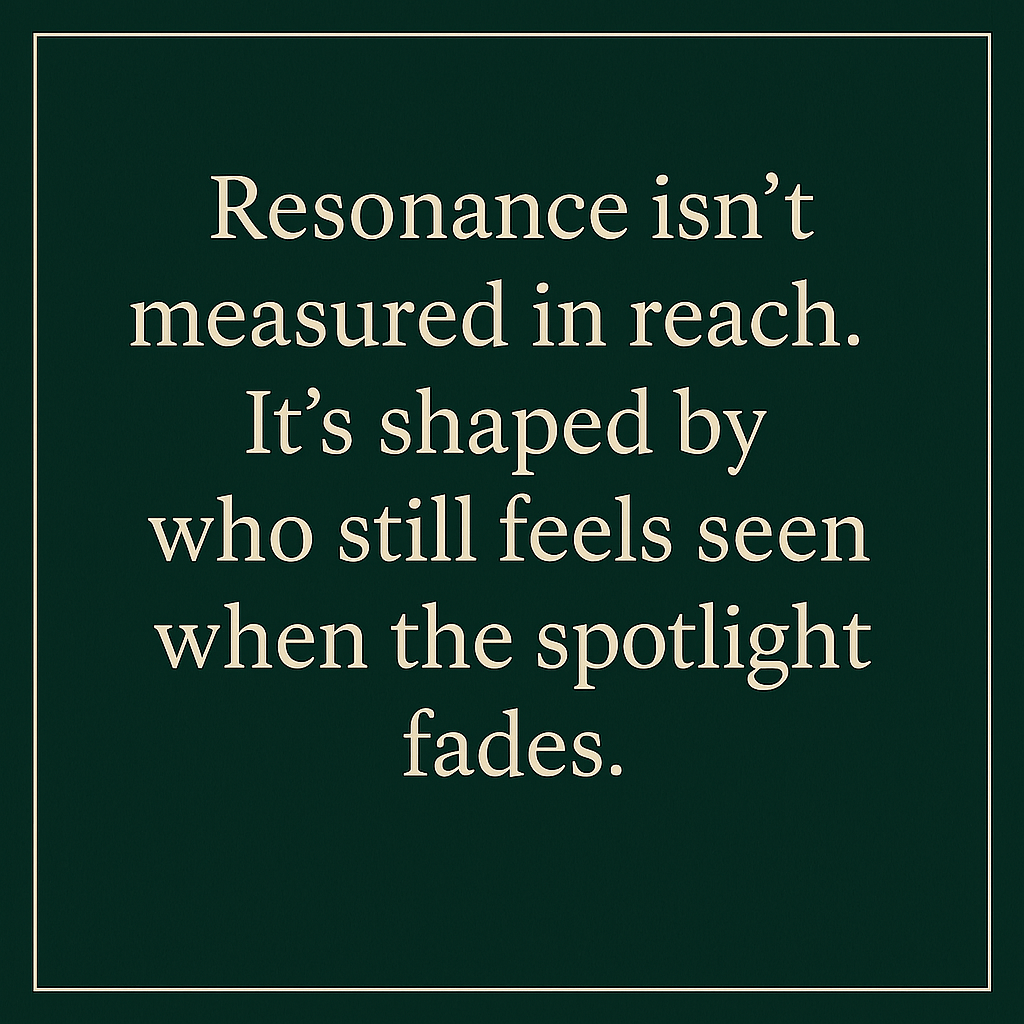
Smart SEO is as much about reach as it is resonance. Embedding celebrities without losing brand soul is possible, but it requires nuance: acknowledging fame without alienating the faithful. A post that paired Jenner’s visit with testimonials from regulars might’ve landed very differently.
Kylie Jenner’s name has been a golden ticket for several companies, whether through direct collaborations or strategic name-dropping. Here are some standout examples of brands that have benefited from associating with her:
Companies That Leveraged Kylie Jenner’s Name
| Company | Benefit Gained | Notes |
|---|---|---|
| Shopify | Massive traffic and credibility boost when Kylie Cosmetics launched via Shopify | Her store became one of Shopify’s most high-profile success stories |
| Coty Inc. | Acquired 51% of Kylie Cosmetics for $600M, boosting their beauty portfolio | The deal gave Coty access to Jenner’s brand and audience |
| Supliful | Cited Kylie Cosmetics as a dropshipping success story to promote their platform | Used her brand as proof of dropshipping’s potential |
| Snapchat | Saw a dip in stock value after Kylie tweeted she no longer used the app | Her influence was so strong it impacted market perception |
| Ulta Beauty | Partnered with Kylie Cosmetics for in-store sales, driving foot traffic | Helped Ulta tap into Gen Z and millennial beauty consumers |
| Khy (her fashion brand) | Early buzz and media coverage due to Kylie’s name and launch party appearances | Leveraged her celebrity status to gain traction |
Why It Works
Kylie’s brand is synonymous with youth, beauty, and social media dominance. Even a casual mention or collaboration can:
• Drive search traffic
• Boost brand credibility
• Spark viral marketing moments
But visibility comes at a price—and what seems like a marketing jackpot can quickly reveal deeper tensions.
The Final Takeaway
Celebrity visits can shine a spotlight. They also cast shadows. Tassia’s moment of fame opened a dialogue about digital equity, patron loyalty, and the unseen consequences of chasing virality.
What happened in Fiskardo wasn’t just about food, fame, or Kylie Jenner. It was about a hospitality brand learning in real time how powerful a caption can be. Not just for what it says, but for what it leaves out.
~ * ~ Stay tuned, stay savage, stay sparkly — Holly out. ~ * ~
Support Hot & Not in Hollywood
Keep the satire sharp, the homepage clean, and the boutique delightfully offbeat. Choose your own amount.
Buy Me Ice Mocha → Hot & Not in Hollywood
Leave a comment