
The Unregulated Threat Hiding in Plain Sight
Walk into any gas station in America and you might spot brightly colored gummies, energy shots, or drink mixes labeled as “natural supplements.” But behind the candy-like packaging lies a compound that’s raising serious red flags: 7-hydroxymitragynine, or 7-OH, a powerful opioid agonist derived from the kratom plant. According to the FDA, 7-OH is many times more potent than morphine, and it’s being sold with zero oversight.
What Is 7-OH and Why Is It Dangerous?
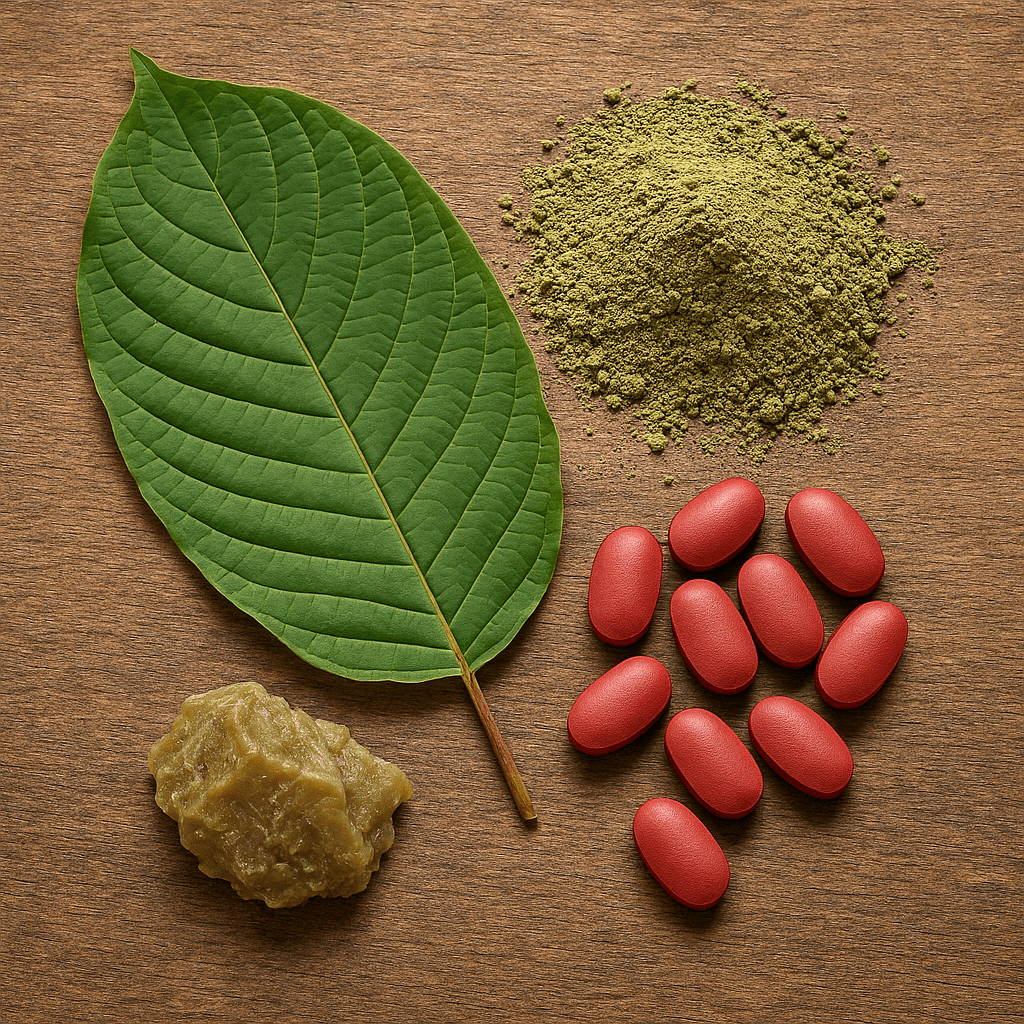
7-OH is a concentrated extract of kratom, a Southeast Asian plant traditionally used for pain relief and stimulation. While kratom itself contains trace amounts of 7-OH, manufacturers have begun isolating and amplifying this compound into products that mimic the effects of opioids without the legal restrictions. These products are sold as gummies, capsules, and drinks at gas stations and convenience stores, often marketed with candy-like appeal to younger consumers.
The FDA has issued warning letters to companies marketing these products as dietary supplements, despite their high potency and lack of safety testing. Health officials have reported a surge in overdoses, poisonings, and ER visits linked to 7-OH.
Addiction in a Bottle: The Public Health Fallout
Health and Human Services Secretary Robert F. Kennedy Jr. didn’t mince words during a recent press conference: “These substances are marketed for children. They’re gummy bears, they’re bright colors, they’re candy flavored. This is a really sinister, sinister industry.” The FDA is now recommending that 7-OH be classified as a Schedule I substance, placing it alongside heroin and ecstasy.
“Scientifically by definition it is an opioid, yet it is sold in vape stores, smoke shops, convenience stores, and gas stations.”
Idaho News 6
Emergency physicians like Dr. Michael Greco have warned that kratom and its derivatives can cause everything from dizziness and high blood pressure to psychosis and death. In one tragic case, a 37-year-old man died after mixing powdered kratom into a lemonade, with the autopsy citing mitragynine toxicity. “We’re seeing patients come in with symptoms that mimic opioid overdoses,” said Dr. Greco, “but they’ve only taken gas station products labeled as kratom or CBD. It’s a public health blind spot.”
What’s Actually in These Products?
The problem isn’t just potency; it’s also lack of transparency. Many gas station products lack third-party testing, meaning consumers have no idea what they’re ingesting. A CBDThinker analysis found that gas station CBD products often contain less than half the advertised amount of CBD and may exceed legal THC limits. Worse, some products labeled as kratom contain dangerously high concentrations of 7-OH, up to 509% more than naturally occurring levels.
Kratom vs. 7-OH Potency and Risk Profile
| Compound | Source | Potency vs. Morphine | Regulation Status | Risk Level |
|---|---|---|---|---|
| Kratom (Mitragynine) | Natural leaf | Mild | Unregulated | Moderate |
| 7-OH (Synthetic extract) | Concentrated form | Extremely high | Pending Schedule I | Severe |
Why the FDA’s Move Matters
This isn’t just about one compound; it’s about a regulatory blind spot. Dietary supplements like kratom escape FDA scrutiny unless proven unsafe. That loophole has allowed 7-OH to flood the market, often disguised as wellness products. The FDA’s push to classify 7-OH as a Schedule I drug could finally close that gap, but only if the DEA follows through.
What You Can Do
• Check labels: Look for third-party testing and Certificates of Analysis (COA).
• Avoid impulse buys: Especially from gas stations or vape shops.
• Report adverse effects: To the FDA’s MedWatch program.
• Educate others. Share sources like: FDA and Kratom; PBS NewsHour; and, USA Today’s coverage.
~ * ~ Stay tuned, stay savage, stay sparkly — Holly out. ~ * ~
Support Hot & Not in Hollywood
Keep the satire sharp, the homepage clean, and the boutique delightfully offbeat. Choose your own amount.
Buy Me Ice Mocha → Hot & Not in Hollywood
Leave a comment