Call me Holly Hotwire—your backstage pass to the glam, grit, and gossip of Tinseltown and beyond. I don’t whisper in shadows; I report with a wink, a side-eye, and a searing spotlight on what’s truly hot… and what absolutely isn’t.
When I’m not elbow-deep in red carpet breakdowns or calling out cinematic catastrophes, I’m decoding the celebrity circus with equal parts sass and savvy. Expect glittering snark, offbeat obsessions, and just enough journalistic bite to leave a mark.
This blog isn’t just about headlines—it’s about who’s really writing the story. And honey, I’ve got the pen.
Springsteen’s Mic Drop: Rock vs. Politics in the Culture War
Bruce Springsteen detonated Manchester when he played there. With a blistering onstage rebuke of Donald Trump, The Boss reignited a decades-long feud and drew praise from fellow legend John Fogerty. This wasn’t a stunt. It was a statement.
The Anthem That Became a Warning
Bruce Springsteen’s European tour was a celebration of music and a rally cry. At his Manchester show, he paused mid-set to call out what he described as a “corrupt, incompetent and treasonous administration,” urging fans to “raise your voices against authoritarianism and let freedom ring.” His words weren’t vague. They were direct, deliberate, and aimed squarely at Donald Trump’s legacy.
Fogerty Backs the Boss
John Fogerty, the voice behind Creedence Clearwater Revival, didn’t hesitate to back Springsteen. In a Rolling Stone interview, Fogerty praised Springsteen’s courage, saying, “I’m really proud of Bruce for just sticking up for his values and not being afraid to voice them.” He even drew a sharp contrast to Nixon, noting that Trump’s public retaliation only amplified Springsteen’s message.
Trump’s Counterpunch and the Fallout
Trump fired back on Truth Social, calling Springsteen “highly overrated” and “a pushy, obnoxious JERK.” The post was packed with personal insults and political jabs. It only fueled the fire, fracturing a fanbase long rooted in blue-collar pride and progressive passion. Some walked out. Others doubled down. The culture war isn’t just in Congress; it’s playing out in concert halls.
#Springsteen Slams #Trump: ‘Moron’ and ‘American Tragedy’ as Rock Legend Breaks Silence on Political Crisis
The Politics of Performance
Springsteen’s move wasn’t new. He’s been vocal for years. But this moment, amplified by Fogerty’s endorsement and Trump’s backlash, marks a turning point. It’s a reminder that music isn’t neutral. It’s a platform. It wasn’t volume. It was voltage.
Springsteen strummed chords and struck nerves. The mic drop wasn’t musical. It was a confrontation. In a climate where silence is complicity, his voice doesn’t echo. It resonates.
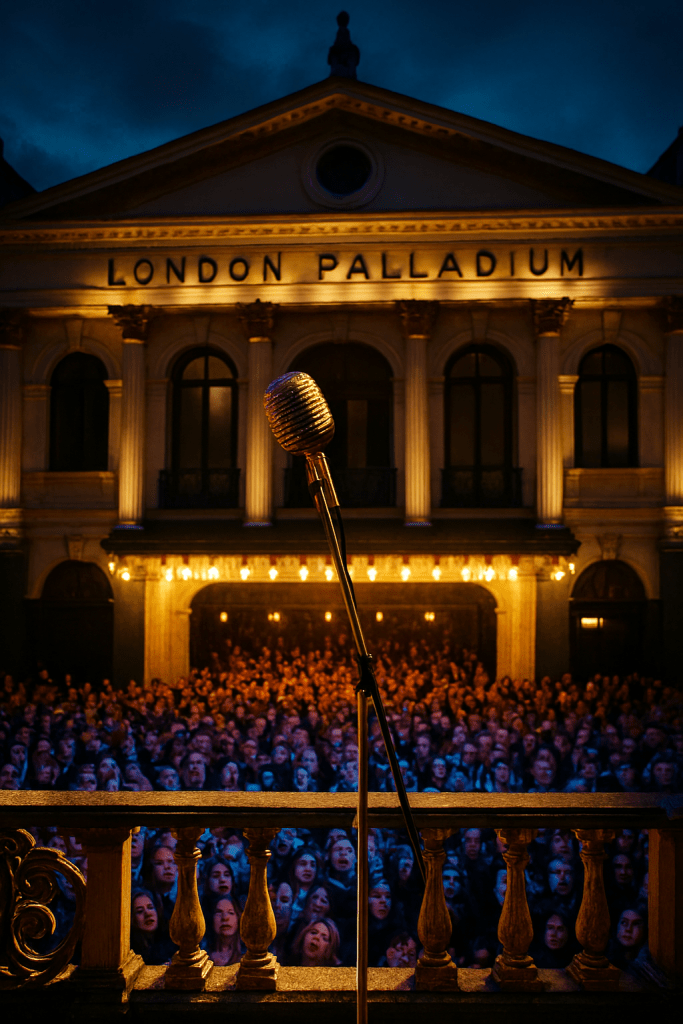
A lone microphone on the London Palladium balcony marks Rachel Zegler’s haunting setup for “Don’t Cry for Me Argentina,” echoing Eva Perón’s iconic address and spotlighting her breakout Evita performance.
She sang to the street. The street answered with a #1.Zegler’s Evita goes viral. One performance turned a show tune into a #1 vinyl and made Evita the most talked-about show in London.
Viral Balcony Moment: Rachel Zegler’s live “Don’t Cry For Me Argentina” performance that turned #Evita into a chart-topping sensation.
Each night, Rachel Zegler steps onto the Palladium’s outer balcony and sings directly to the street. The result? A viral sensation and the UK’s best-selling physical single of the week.
In Jamie Lloyd’s radical Evita at London’s Palladium, Zegler skips the stage and starts on the balcony.
Performing “Don’t Cry For Me Argentina” from the theatre’s outer façade, she sings straight to the street while ticketed audiences inside watch via livestream. The result? A viral sensation and the UK’s best-selling physical single of the week.
Her vinyl release, which includes a bonus track recorded live from the balcony, has officially hit #1 on both the Official Vinyl Singles Chart and the Physical Singles Chart. It’s a feat few musical theatre performers have ever achieved, and it’s all thanks to a bold staging choice, a timeless ballad, and Zegler’s powerhouse vocals.
A Song Reborn
“Don’t Cry For Me Argentina” has a storied chart history. Julie Covington’s original 1977 version spent ten weeks in the UK Top 10. Madonna’s 1996 film rendition reached #3. Even Glee managed a Top 75 entry in 2011. But Zegler’s version marks a new kind of triumph: a live theatrical recording breaking into mainstream music charts nearly 50 years after the song’s debut.
The viral balcony moment, now viewed millions of times across social platforms, has transformed Evita into the most talked-about show in London. Crowds of over 1,000 gather nightly outside the Palladium just to hear Zegler sing. As Time Out London put it, “the crowd are both Zegler’s adoring public and, in a brilliantly cynical stroke, they’re also Evita’s.”
“I’m freaking out! This is so wild! This feels incorrect, but I trust you, you guys are the experts!”
She immediately FaceTimed Andrew Lloyd Webber, who gasped, “TWO?” in reference to the song’s second time at #1. “Well… we want a third!”
Zegler later joked, “This is the only time I know something that Andrew Lloyd Webber doesn’t!”
⬥ Viral. Live. Historic. ⬥
Theatrical Innovation Meets Digital Buzz
Director Jamie Lloyd’s decision to stage the number on the balcony was clever and symbolic. In the show, Eva Perón sings to the masses while the elite watch from afar. Lloyd flipped the dynamic: the public gets the live performance, while paying audiences inside watch on a screen. It’s a reflection on power, performance, and who gets seen, and it’s made Evita the most talked-about show in London.
Critics have praised Zegler’s performance as “enthralling” and “phenomenal,” with The Independent calling her voice “an emotive purity that captures the spoilt, childlike quality of the super-rich.”
I saw the amazing @officialevita again at @thelondonpalladium & was delighted to meet the very talented @rachelzegler who plays Eva Peron after the show. I also met the equally talented @_diegorodz_ who plays Che. Rachel & I are almost the same height, but Diego towers above me! pic.twitter.com/iDzimrSPCf
The Balcony Ballad That Broke the Internet and the Charts
Zegler’s chart-topping moment marks a turning point for musical theatre. It shows how live performance, digital virality, and physical media can converge to drive real engagement. Audiences watched, bought, shared, and celebrated.
With producers already eyeing a Broadway transfer, it’s clear this moment is more than viral. It’s historic.
From viral clip to Broadway buzz, this moment reshaped the stage and the spotlight.
Kourtney #Kardashian built the brand. Now she wants out. But fame doesn’t do clean exits
The Exit Strategy Without an Exit
Kourtney Kardashian is reportedly stepping back from The Kardashians, citing burnout and a loss of control. According to Yahoo Entertainment, she’s distancing herself from the cameras and the chaos. But fame doesn’t offer clean exits. It lingers. It monetizes silence. And when your name is the brand, walking away isn’t just complicated. It’s nearly impossible.
This isn’t a tantrum. It’s a break from the script. Kourtney’s move reflects a growing shift: celebrities trying to reclaim autonomy in an industry built to profit from their every move. From Meghan Markle’s legal retreat to Doja Cat’s fan purge, fame fatigue is no longer a subplot. It’s the headline.
When Your Name Is the Business
Kourtney isn’t merely a cast member. She’s a founding shareholder in a dynasty built on exposure. Her wedding was a storyline. Her motherhood was merchandised. Her fights were monetized. Now she wants out. But the brand doesn’t stall when someone steps away. It adapts. It recasts. It keeps rolling.
Kourtney didn’t reject fame. She rebranded it.
The Kardashian brand doesn’t stop. It simply shifts. And if Kourtney’s exit becomes a storyline, it won’t be her escape. It’ll be a different angle. As Geo.tv reports,tension between Kourtney and Kim has escalated, with Kim accusing her sister of hypocrisy. She claims Kourtney’s wellness brands were built on the very fame she’s now rejecting.
Kourtney’s Exit Fuels the Fame Fatigue Trend. But Is It Real?
It’s not just Kourtney. Across the fame economy, personal boundaries are becoming public battlegrounds.
Jonah Hill’s leaked texts sparked a debate about emotional control and the misuse of therapy language. As The Independent explains, critics accused him of weaponizing boundaries to manipulate his partner’s behavior.
Meghan Markle’s retreat from royal duties wasn’t just personal. It was strategic. According to People, she and Prince Harry “felt forced” to leave their roles due to security concerns and institutional pressure.
Doja Cat, meanwhile, lit a match when she told fans to unfollow her, and many did. As The Mirror reports, her refusal to cater to fan expectations triggered a viral debate about celebrity boundaries and audience entitlement.
Each move is framed as rebellion. But most end in a new deal, a new drop, or a new docuseries.
Kourtney Kardashian’s Fame-Free Branding? Not Quite.
Kourtney Kardashian’s public pivot away from fame might read like a personal reckoning. But the metrics suggest something else. Her wellness brands, Poosh and Lemme, still rely heavily on the visibility she claims to reject. And that’s where the contradiction hits hardest.
According to Yahoo Entertainment, insiders say Kourtney is “way happier” distancing herself from the spotlight. But Kim Kardashian reportedly sees the move as hypocritical, arguing that Kourtney’s businesses were built on the very fame she’s now disavowing. The tension isn’t just personal. It’s strategic. If stepping back drives traffic, it’s not a retreat. It’s a rebrand.
If Kourtneys whole argument for YEARS was no one in the family respects her boundaries or understands how she lives her life, she cannot invalidate Kim’s boundaries or way of life#TheKardashianspic.twitter.com/72qZu5ejVE
BuzzFeed’s breakdown of Kourtney’s long-standing discomfort with fame adds context: she once told Kylie Jenner, “I’m not supposed to be famous.” That sentiment clashes with years of reality TV exposure and brand-building.
So is this a quiet exit, or a calculated shift in narrative? Either way, the clicks keep coming.
Kourtney Kardashian’s Escaping Fame by the Numbers
Celebrity exits aren’t measured in silence. They’re measured in views, clicks, and engagement spikes. If Kourtney’s departure drives traffic, it’s not an ending. It’s a conversion strategy. The more she tries to disappear, the more visible she becomes.
Inside Trump’s $200M White House expansion: gold trim, donor dollars, and the permanent ballroom that future presidents can’t erase.
This isn’t redecorating. It’s territorial branding.
Donor-Funded Decor: Inside Trump’s $200M White House Expansion
Donald Trump’s second term has turned the Oval Office into a gilded showroom. Gold trim now lines the ceiling, fireplace mantle, and even the presidential seal, as seen in recent photos of the redecorated space. The transformation isn’t subtle. It’s maximalist. From Trump Tower’s gilded ceilings to Mar-a-Lago’s ballroom drenched in metallics, gold has always been his signature. Now, it’s the White House’s.
The redesign extends beyond the Oval Office. The Rose Garden has been paved over with stone tiles, reportedly to accommodate high heels and avoid soggy lawns during events. Yellow umbrellas and patio furniture now dot the terrace. Their style, eerily reminiscent of Mar-a-Lago, blurs the line between presidential residence and private resort.
But this isn’t a palace. It’s a public building. And the question echoes: Why all the gold when there are no kings in the White House? And: Who funded Trump’s gilded Oval Office? The funding trail is as ornamental as the trim: opaque, curated, and donor-sealed.
The White House hasn’t disclosed the full cost of the gold embellishments or exactly who funded Trump’s gold gilded Oval Office. But the $200 million ballroom expansion includes 650 seats and 90,000 square feet of grandeur. According to the administration, it’s being funded by Trump and a group of “patriot donors.” These same donors are likely underwriting the gilded upgrades, though the details remain opaque. The White House declined to comment on the funding specifics.
“It’s a private thing yeah, and we’ll probably have some donors,” Trump said of the $200 million ballroom expansion, as reported by MSN.
There’s no official breakdown of who paid for the gold trim, the branded coasters, or the gallery wall of historic portraits in ornate frames. New York Magazine notes that the aesthetic choices seem designed less for legacy and more for spectacle. Donors stay unnamed. The ballroom stays built.
The Trump administration just announced they will be building a massive $200 million gold-plated ballroom at the White House after signing a law cutting 17 million Americans’ health care. pic.twitter.com/0PJ8QP15Jf
— No Lie with Brian Tyler Cohen (@NoLieWithBTC) July 31, 2025
When the Gilding Ends: What Happens Next?
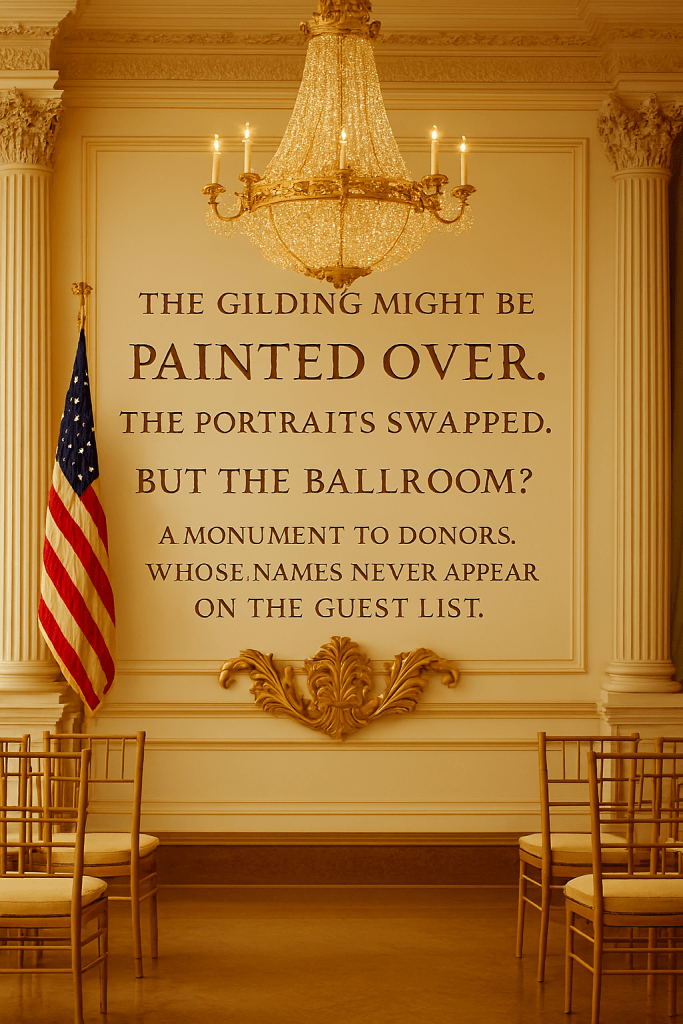
Presidential decor is temporary. When Trump leaves office, the gold may go with him, or not. Some furnishings, like rugs and curtains, are reused across administrations. Others are archived, stored, or quietly replaced. The Oval Office’s gold trim could be painted over. The portraits swapped. The branded coasters boxed.
But the ballroom? That’s permanent. Once built, it becomes part of the White House’s footprint. USA TODAY confirms that structural additions like this are rarely reversed. Future presidents may host state dinners under chandeliers funded by donors whose names never appear on the guest list.
The gold trim might be painted over. The portraits swapped. But the ballroom? That’s permanent. A monument to donors whose names never appear on the guest list.
Optics as Architecture
This isn’t interior design; it’s ideological branding. Trump’s White House isn’t decorated to reflect history. It’s curated to project dominance.
Gold isn’t neutral. It’s loaded. It signals wealth, power, and permanence, even in a job defined by term limits.
Why Presidents Don’t Need Public or Congressional Approval for White House Decor
Private Residence Privilege
• The White House serves as both a public institution and the president’s private residence. • Presidents are traditionally allowed to redecorate the residential and office spaces to reflect their personal taste, especially the Oval Office and private quarters.
Funding Determines Oversight
• If changes are funded by Congressional appropriations, there are limits and oversight. For example, Congress has historically set furniture allowances for incoming presidents. • If changes are funded privately, as in Trump’s case with “patriot donors,” the president has far more leeway. The White House confirmed that the $200 million ballroom and gold decor are being paid for by Trump and private donors, not taxpayer dollars.
“Each family redecorates the private quarters to suit themselves. There is no law that governs this.” — William Seale, from The President’s House: A History
Historic Site Status
• The White House is a National Historic Landmark, and major structural changes (like demolitions or additions) are subject to regulations from the National Park Service and preservation bodies. • However, interior decor and non-permanent features (like furniture, paint, or portraits) are not tightly regulated unless they affect protected artifacts or architecture.
Tradition Over Law
• Presidents have long used decor to signal political tone or one or personal branding. From Roosevelt’s West Wing to Kennedy’s museum-grade restoration, each administration leaves its mark. • These changes often spark public debate, but unless taxpayer funds or historic protections are involved, no formal approval process is required.
Glamour was the bait. Grooming was the business. Long before Epstein made headlines, Trump’s pageants and modeling network ran a system where underage girls were recruited, silenced, and monetized. This post tracks documented patterns, press coverage, and the blurred line between branding and exploitation.
Behind the sequins:
How Trump’s pageants blurred the line between glamour and grooming. From teen runways to Epstein’s pipeline, the silence was engineered.
In 1998, a 14-year-old girl known as “Jane” in Ghislaine Maxwell’s trial, stood on stage as a contestant in Donald Trump’s Miss Teen USA pageant. She had met Trump earlier at Mar-a-Lago, escorted there by Jeffrey Epstein, who would later sexually abuse her. This was confirmed in Jane’s testimony during Maxwell’s 2021 trial.
Trump owned the pageant from 1996 to 2015. During that time, four contestants from the 1997 competition told BuzzFeed that Trump walked into their dressing room while they were changing. No staff intervened. No rules were broken; there were none.
This wasn’t an isolated incident. It was a system that blurred the line between teen modeling and grooming, under the guise of pageantry.
The silence wasn’t accidental. It was engineered.
Exploitation Funnel Table
Table showing recruitment flow from Trump’s pageants and modeling agency into Epstein’s trafficking network
Trump Model Management: A Business Built on Teen Labor
Trump Model Management (TMM), launched in 1999, recruited girls as young as 14. One model was told to lie about her age to secure jobs. Another, Alexia Palmer, sued the agency after earning just $4,980 over three years while TMM pocketed over $200,000 from her work. She lived in Trump-owned housing, paid exorbitant fees, and worked illegally on a tourist visa. These claims were detailed in BuzzFeed’s investigation.
The agency’s business model wasn’t just exploitative; it was structurally predatory. Foreign teens were lured with dreams, trapped with debt, and silenced with fear.
But Trump’s ties to Epstein weren’t limited to modeling contracts.
“Beyond the Guest List: Trump’s Deep Ties to Epstein’s Pipeline
Trump once called Epstein a “terrific guy” who “likes beautiful women… on the younger side.” That quote appeared in a 2002 New York magazine profile.
By the mid-2000s, Trump claimed he banned Epstein from Mar-a-Lago for “stealing” young female staff, including Virginia Giuffre, who was recruited from the resort’s spa, a grooming ground that blurred the line between employment and exploitation. He later admitted Epstein had recruited girls from his spa. “He stole her,” he said of Giuffre. “She had no complaints about us.”
But records show Epstein remained a member until 2007. Trump continued to associate with him, even sending a sexually suggestive letter for Epstein’s 50th birthday album, a detail reported by The Wall Street Journal. He now denies writing it and is suing for defamation.
The contradiction is glaring: Trump painted Epstein as persona non grata, yet the paper trail tells another story, spanning pageants, spas, and a teen modeling pipeline built on grooming and exploitation. And now, the system that protected them is protecting the files.
— Lisa Ericsson Murphy 🌊🌊Release The Files 🇺🇦 (@lisakrstin) August 7, 2025
Why This Matters Now
The Department of Justice recently announced it would not release further Epstein files, despite prior promises. The decision sparked outrage across the political spectrum. Even Trump’s own supporters demanded transparency, as seen in reactions on X (formerly Twitter).
Maxwell, now serving a 20-year sentence, has been subpoenaed to testify before Congress. Her request for immunity was denied. The public wants answers, not only about Epstein but about the systems that enabled him.
And Trump’s businesses were part of that system.
“I’ll go backstage before a show and everyone is getting dressed. No man is anywhere… they’re standing there with no clothes… I sort of get away with things like that.” ~ Trump on his Miss Teen Pageants.
Mar-a-Lago wasn’t just a resort; it became a recruitment ground. Virginia Giuffre was pulled from its spa and handed over to Epstein, with Trump later brushing it off: “She had no complaints about us.”
This isn’t a partisan scandal. It’s a pattern of abuse that thrived in plain sight. Girls were groomed, exploited, and discarded, while powerful men looked the other way.
Demand the release of the Epstein files. Demand answers from Trump Model Management. Demand justice for every girl who stood on that stage, walked that runway, or worked that spa.
The files exist. The girls deserve more than silence.
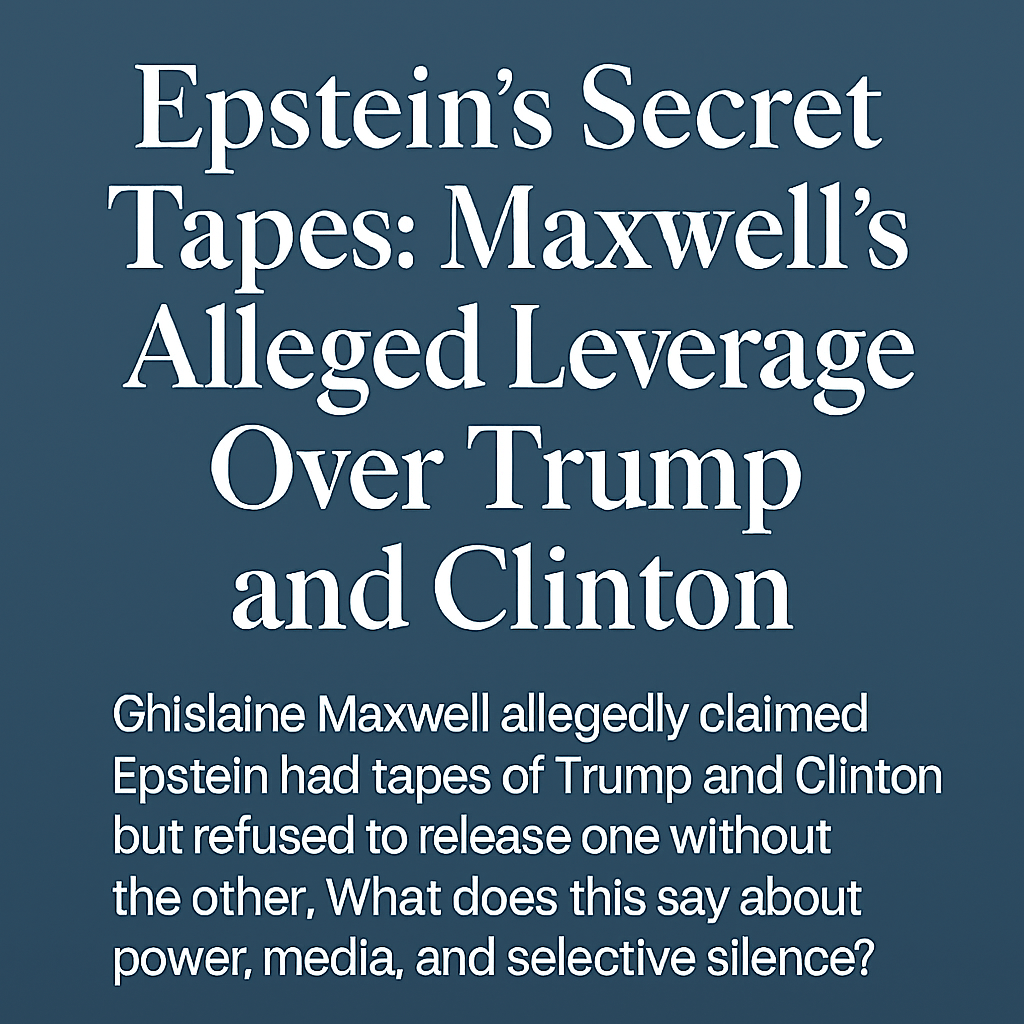
Ghislaine Maxwell allegedly confirmed #Epstein had tapes of #Trump and #Clinton but refused to release one without the other, raising urgent questions about media complicity, political leverage, and the silence surrounding power.
Epstein’s Secret Tapes: Maxwell’s Alleged Leverage Over Trump and Clinton. Ghislaine Maxwell allegedly claimed Epstein had tapes of Trump and Clinton but refused to release one without the other. What does this say about power, media, and selective silence?
When the Story Is Too Big to Air
In a moment that should’ve detonated headlines, Ghislaine Maxwell allegedly told CBS producer Ira Rosen that Jeffrey Epstein had tapes of both Donald Trump and Bill Clinton. But she wouldn’t release one without the other. The implication? These weren’t just scandalous recordings. They were leverage.
Maxwell’s alleged refusal to release the tapes unless both were aired simultaneously reveals a chilling truth: in elite circles, secrets aren’t buried; they’re banked. Epstein’s properties in Florida and New York were rumored to be wired for surveillance. Rosen, acting on a hunch, believed Epstein was “videotaping everyone.”
These weren’t just scandalous recordings. They were leverage.
️Media Gatekeeping: Who Decides What We See?
Rosen’s pursuit of the tapes was reportedly shut down. The story never aired. And while his memoir offers a glimpse into the editorial tug-of-war, it also raises a larger question: who gets to decide what becomes public record?
In an era where deepfakes trend faster than depositions, the absence of hard evidence doesn’t kill a story. It mutates it. The Epstein-Maxwell saga has become a Rorschach test for public trust in media, justice, and institutional transparency.
Funny how the Epstein tapes vanished right after Bill Barr's DOJ raided his townhouse.
The cameras were real. The footage existed. So where is it, and who was on it?
That's the smoking gun. I've been the only one in Congress consistently demanding the truth for 8 years. The… pic.twitter.com/NOsbUCl5Qi
Maxwell is serving a 20-year prison sentence, following her 2021 conviction for sex trafficking and conspiracy. Epstein is dead. But the ripple effects continue.
Recent headlines have reignited scrutiny of Epstein’s network, including renewed interest in his ties to global elites. Meanwhile, political figures once linked to him are scrubbing the record. Trump has said he was “not a fan” of Epstein. Clinton denies visiting Epstein’s properties. But the public isn’t buying blanket denials anymore.
This isn’t about voyeurism. It’s about accountability.
If Epstein weaponized surveillance, and Maxwell knew how to wield it, then the silence surrounding these tapes is not accidental. It’s strategic. The public deserves more than memoir crumbs and courtroom redactions. We deserve the full story. What do youthink is being kept off the record?
FBI Director Kash Patel says some Epstein tapes may have been destroyed, and some may have never even existed.
Trump has ‘no choice’ but to release Epstein files after Musk’s allegation
Kratom derivatives including leaf, powder, resin, and red tablets associated with 7-hydroxymitragynine. This potent compound is central to gas station products flagged by the FDA for opioid-like risks.
The Unregulated Threat Hiding in Plain Sight
Walk into any gas station in America and you might spot brightly colored gummies, energy shots, or drink mixes labeled as “natural supplements.” But behind the candy-like packaging lies a compound that’s raising serious red flags: 7-hydroxymitragynine, or 7-OH, a powerful opioid agonist derived from the kratom plant. According to the FDA, 7-OH is many times more potent than morphine, and it’s being sold with zero oversight.
What Is 7-OH and Why Is It Dangerous?
7-OH is a concentrated extract of kratom, a Southeast Asian plant traditionally used for pain relief and stimulation. While kratom itself contains trace amounts of 7-OH, manufacturers have begun isolating and amplifying this compound into products that mimic the effects of opioids without the legal restrictions. These products are sold as gummies, capsules, and drinks at gas stations and convenience stores, often marketed with candy-like appeal to younger consumers.
U.S. health officials are warning Americans about the risks of an opioid-like ingredient increasingly added to energy drinks, gummies and supplements sold at gas stations and convenience stores, recommending a nationwide ban. https://t.co/ts4JJvjsjhpic.twitter.com/lIJXVa3gNf
The FDA has issued warning letters to companies marketing these products as dietary supplements, despite their high potency and lack of safety testing. Health officials have reported a surge in overdoses, poisonings, and ER visits linked to 7-OH.
Addiction in a Bottle: The Public Health Fallout
Health and Human Services Secretary Robert F. Kennedy Jr. didn’t mince words during a recent press conference: “These substances are marketed for children. They’re gummy bears, they’re bright colors, they’re candy flavored. This is a really sinister, sinister industry.” The FDA is now recommending that 7-OH be classified as a Schedule I substance, placing it alongside heroin and ecstasy.
“Scientifically by definition it is an opioid, yet it is sold in vape stores, smoke shops, convenience stores, and gas stations.”
Emergency physicians like Dr. Michael Greco have warned that kratom and its derivatives can cause everything from dizziness and high blood pressure to psychosis and death. In one tragic case, a 37-year-old man died after mixing powdered kratom into a lemonade, with the autopsy citing mitragynine toxicity. “We’re seeing patients come in with symptoms that mimic opioid overdoses,” said Dr. Greco, “but they’ve only taken gas station products labeled as kratom or CBD. It’s a public health blind spot.”
What’s Actually in These Products?
The problem isn’t just potency; it’s also lack of transparency. Many gas station products lack third-party testing, meaning consumers have no idea what they’re ingesting. A CBDThinker analysis found that gas station CBD products often contain less than half the advertised amount of CBD and may exceed legal THC limits. Worse, some products labeled as kratom contain dangerously high concentrations of 7-OH, up to 509% more than naturally occurring levels.
This isn’t just about one compound; it’s about a regulatory blind spot. Dietary supplements like kratom escape FDA scrutiny unless proven unsafe. That loophole has allowed 7-OH to flood the market, often disguised as wellness products. The FDA’s push to classify 7-OH as a Schedule I drug could finally close that gap, but only if the DEA follows through.
Over 1400 people signed our petition to keep 7-OH legal and stop a federal ban in less than 12 hours. https://t.co/N2nkFcSan0
7-OH users are moms, veterans, teachers and your next door neighbor. Support medical freedom & plant-based pain relief. #kratom#7OH#chronicpain
• Check labels: Look for third-party testing and Certificates of Analysis (COA). • Avoid impulse buys: Especially from gas stations or vape shops. • Report adverse effects: To the FDA’s MedWatch program. • Educate others. Share sources like: FDA and Kratom; PBS NewsHour; and, USA Today’s coverage.
Blake Lively’s legal battle against Perez Hilton isn’t just about defamation; it’s a confrontation with the media machinery that profits from reputational ruin. #BlakeLively #PerezHilton
Blake Lively’s legal battle with Perez Hilton exposes the machinery behind digital defamation. Here’s how the case is unfolding and why it could reshape influencer ethics.
Blake Lively isn’t just fighting for her reputation; she’s fighting the system that weaponized it
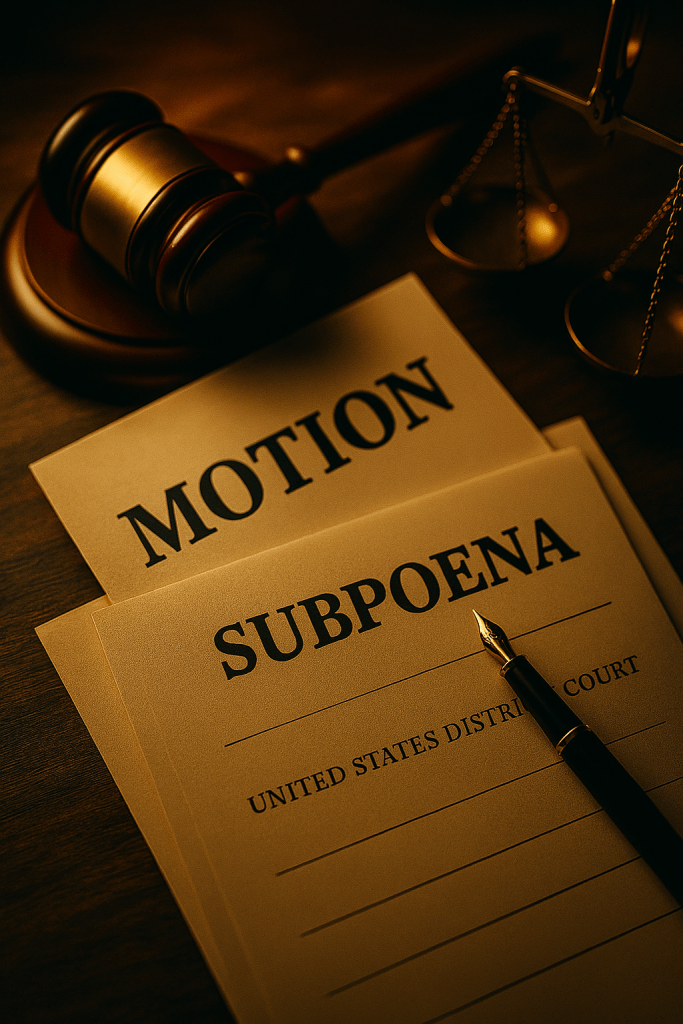
In a motion filed in the Southern District of New York, Lively’s legal team demanded that celebrity blogger Perez Hilton produce communications and documents tied to a July subpoena. According to NewsNation, the actress alleges Hilton acted “at the request of, or on behalf of” Wayfarer Studios, the production company behind It Ends With Us, directed by Justin Baldoni.
Official trailer for “It Ends With Us,” starring Blake Lively. A raw, emotionally charged glimpse into Colleen Hoover’s bestselling novel brought to life as it explores love, trauma, and resilience in a story that’s already igniting cultural conversation.#ItEndsWithUs #Reputation #Lawsuit
The lawsuit against Wayfarer, filed in December 2024, accuses Baldoni of sexual harassment and retaliation. But the scope has widened. Lively claims Hilton, Candace Owens, and Andy Signore were enlisted to amplify defamatory narratives across digital platforms, turning commentary into coordinated attack.
The Content Blitz: 500+ Posts, One Target
Since August 2024, Hilton has published more than 500 videos and headlines targeting Lively. Us Weekly reports that the posts weren’t just critical; they were cruel. Hilton coined terms like “Blackface Blake,” “Ku Klux Khaleesi,” and “Litigious Lively,” painting her as manipulative and dishonest.
Lively’s legal team argues this wasn’t independent commentary. It was a calculated effort to discredit her, allegedly orchestrated by Baldoni’s camp and executed by influencers with massive reach. She’s subpoenaed Hilton for documents that could reveal whether he was part of a larger smear network.
Hilton’s Defense: “I’m a Clown in a Circus”
Hilton responded with mockery and deflection. In a YouTube video, he revealed he filed a motion to quash the subpoena in Nevada, arguing that New York isn’t the proper venue. Sportskeeda reports that Hilton admitted to calling Judge Lewis Liman “a clown,” saying the case was a circus and he was “a clown in it.”
He insists he’s a media commentator exercising protected speech, not a hired gun. But Lively’s team isn’t convinced. They argue his refusal to turn over communications suggests deeper coordination with Baldoni’s legal team and influencer network.
The Influence Web: Who’s Really Pulling the Strings?
Lively’s subpoenas extend beyond Hilton. Courthouse News reveals she’s targeting other creators, including Owens and Signore, who allegedly echoed Baldoni’s narrative. Her attorney, Michael Gottlieb, suspects Baldoni’s lawyer Bryan Freedman may have brokered deals with these influencers to push anti-Lively content.
Freedman denies any payments were made, but the judge has allowed limited discovery into potential agreements. Gottlieb claims Owens shared an “exclusive scoop” using information from Freedman’s affidavit, and Hilton posted more than 500 times with content skewing pro-Baldoni.
The Trial That Could Rewrite the Rules of Influence
This isn’t just celebrity drama; it’s a test case for how courts treat influencer content in defamation and harassment suits. If Lively proves Hilton and others were part of a coordinated smear campaign, it could redefine the boundaries of protected speech and media ethics in the influencer era.
The trial is set for March 2026. Until then, subpoenas are flying, depositions are stacking, and the stakes keep rising.
Blake Lively isn’t just challenging Perez Hilton. She’s challenging the machinery behind digital defamation, and she’s doing it with receipts.
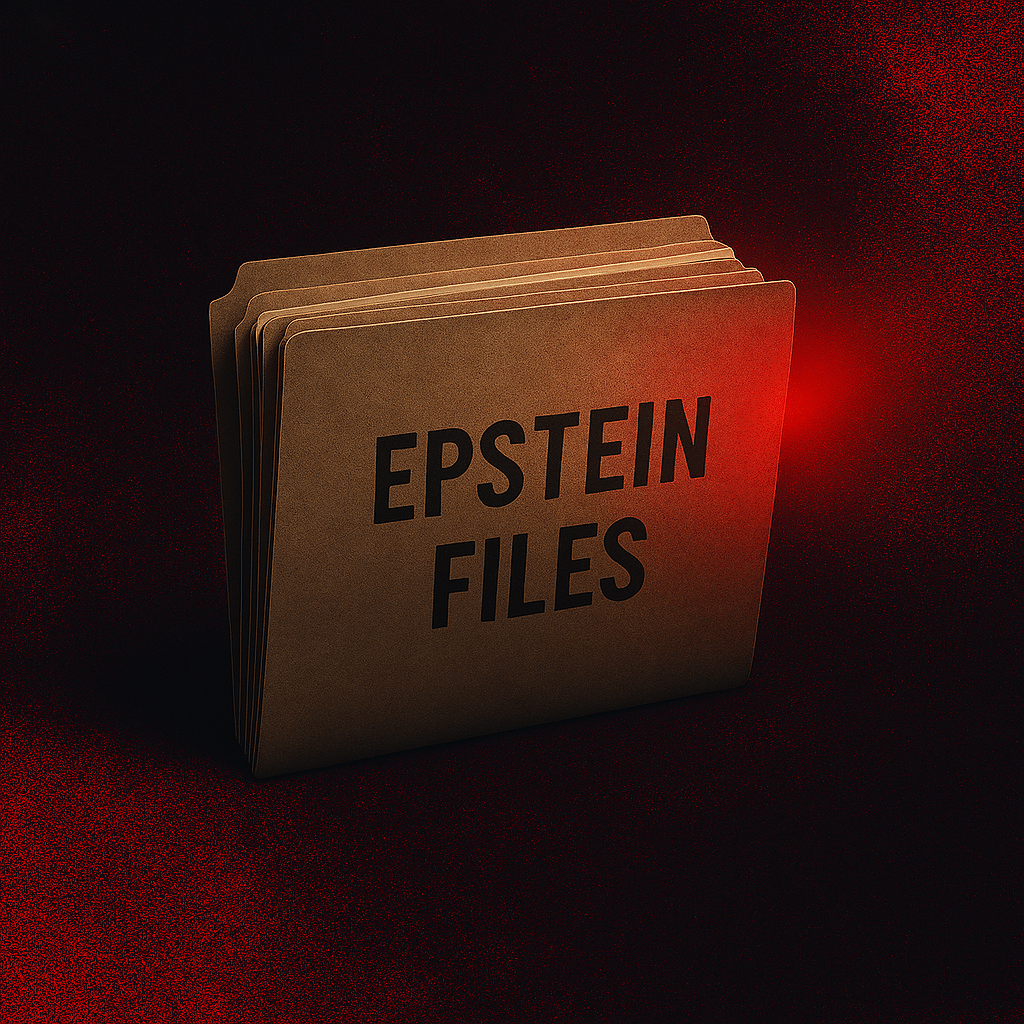
Stack of “Epstein Files” folders glowing red, symbolizing secrecy and MAGA division as Rogan challenges Trump’s silence.
Joe Rogan accuses Donald Trump of gaslighting supporters over the Epstein files, igniting backlash and reshaping conservative media dynamics. Here’s what unfolded and why it matters.
Rogan’s “Line in the Sand” Moment
Joe Rogan didn’t mince words when he called out President Donald Trump for what he described as “gaslighting” over the Epstein files. On a July 25 episode of The Joe Rogan Experience, Rogan told former CIA officer Mike Baker that Trump’s handling of the Epstein case betrayed the very promises that galvanized his base: transparency, accountability, and draining the swamp.
Rogan’s statement, “this one’s a line in the sand,” marked a rupture in a relationship that once saw Rogan endorse Trump ahead of his 2024 victory, according to The Independent.
Joe Rogan calls the Epstein case a “line in the sand,” adding that the Trump administration is “trying to gaslight you on that.” pic.twitter.com/WeyjErxkdP
— Republicans against Trump (@RpsAgainstTrump) July 28, 2025
Joe Rogan draws a hard line on Trump’s Epstein stance: “This one’s a line in the sand… they’re trying to gaslight you on that.” His rebuke signals a growing rift in conservative media over transparency and accountability. #EpsteinFiles #JoeRogan #Trump #Gaslighting #MAGA
What’s in the Epstein Files and What’s Missing
The controversy centers on a memo released by Trump’s administration earlier this summer. It dismissed conspiracy theories surrounding Jeffrey Epstein’s death and declared that no “client list” existed.
The Department of Justice and FBI stated that further disclosures would be inappropriate due to the sensitive nature of the material, including child sex-abuse evidence and potential trauma to victims, ABC News reported.
But Rogan wasn’t buying it. He pointed to metadata anomalies in prison footage and questioned the integrity of the investigation. “They’re trying to gaslight you on that,” he said, referring to the administration’s narrative that the case was closed and the public should move on, The Hill highlighted.
Even the loudest voices in conservative media are starting to ask: What’s being hidden, and why?
Conservative Fallout: Rogan, Musk, and the MAGA Divide
Rogan isn’t alone. Elon Musk, once a Trump ally, hinted in a deleted tweet that Trump’s name appears in the Epstein files. The backlash from conservative media figures suggests a growing schism within the MAGA movement. Some see Trump’s refusal to release more information as a betrayal of the populist promise that got him elected, according to UInterview.
Meanwhile, Vice President JD Vance hosted a closed-door strategy dinner to address the fallout, with top officials debating whether to release audio recordings from Ghislaine Maxwell’s prison interviews, The Independent noted.
Key Players and Their Positions on the Epstein Files
Movement Fractured: Transparency vs. Power in the MAGA Reckoning
As the Epstein files loom over the political landscape, the MAGA movement finds itself at a crossroads. What began as a populist crusade against elite secrecy now faces internal reckoning.
With Rogan and Musk signaling disillusionment, and Vance navigating damage control behind closed doors, the question isn’t just what’s in the files; it’s what the silence reveals. The battle lines are no longer partisan; they’re drawn between those demanding transparency and those protecting power.
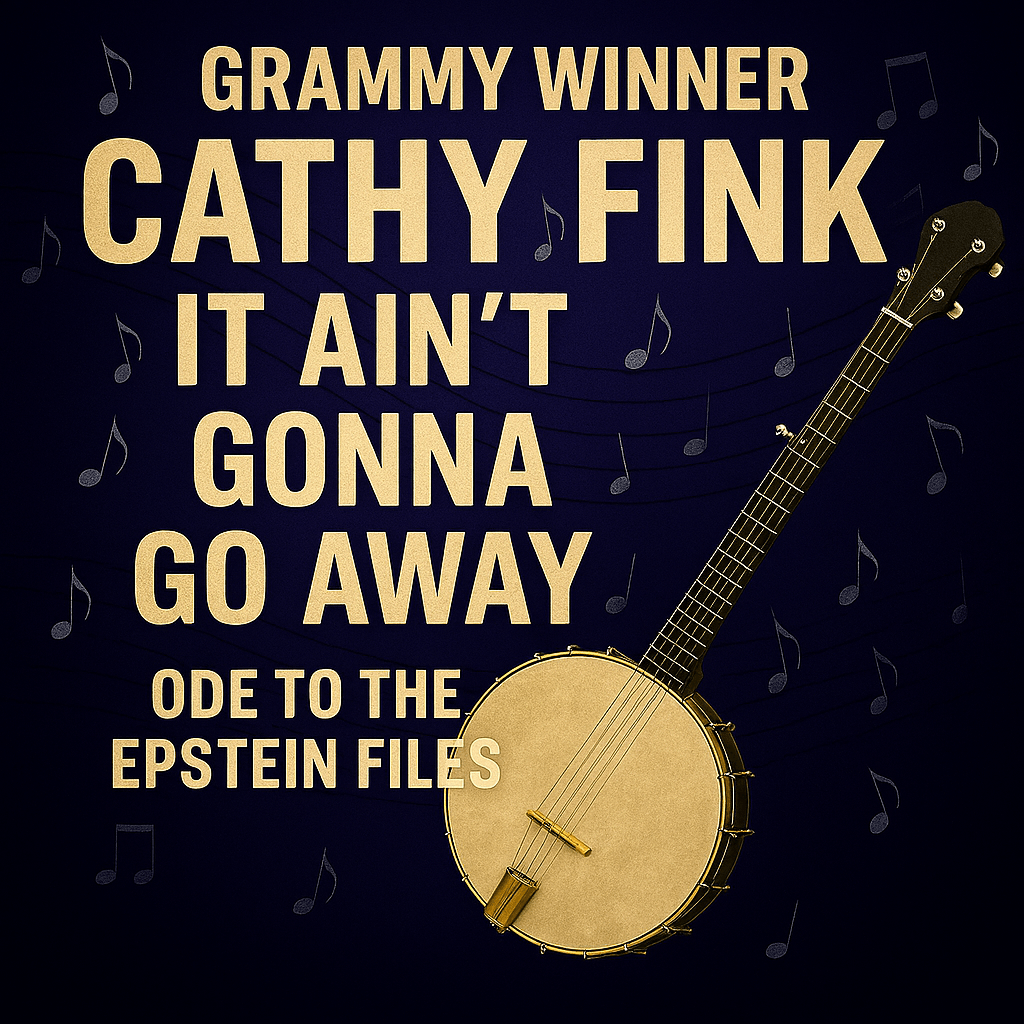
Cathy Fink’s bold folk anthem “It Ain’t Gonna Go Away” takes aim at systemic silence surrounding the #Epstein files.
Cathy Fink’s viral anthem calls out Trump and the Epstein files with unapologetic clarity, and America is listening
Grammy-winner Cathy Fink dropped a truth bomb. Her latest release, It Ain’t Gonna Go Away – Ode to the Epstein Files, is a two-minute folk anthem that refuses to let the past be buried. With lyrics that jab at Donald Trump’s alleged ties to Jeffrey Epstein, the song has sparked a wave of praise for its boldness and clarity.
You can watch the full video on YouTube, where Fink performs alongside her longtime partner Marcy Marxer and a crew of old-time musicians.
The chorus hits hard: “Those Epstein files gonna bite your butt / But it ain’t gonna go away.” It’s not subtle. It’s not sanitized. And that’s exactly why it’s resonating.
Grammy winner Cathy Fink performs “It Ain’t Gonna Go Away: Ode to the Epstein Files,” a bold folk anthem confronting systemic abuse, survivor silence, and the legacy of the Epstein case. #CathyFink #EpsteinFiles #FolkMusic #MusicalActivism
No Distractions, No Escapes
Fink’s lyrics cut through the noise of political spin. One verse mocks Trump’s recent trip to Scotland, where he unveiled a new golf course and met with European leaders. “You can go to Scotland, you can go to golf / You can go to war today / You can point your finger at everyone else / But it ain’t going to go away.”
The message is clear: no amount of distraction or deflection will erase the public’s demand for accountability.
The song’s timing is no accident. As renewed calls for transparency around the Epstein investigation gain traction, Fink’s anthem amplifies a sentiment many Americans share. This feeling is echoed across social media, where fans have called the song “real Americana” and a rallying cry against corruption.
Grammy-winning Maryland musician Cathy Fink has a message for President Donald Trump in her new song: the Jeffrey Epstein files "aint going to go away." https://t.co/3N3uGXwCMl
The Epstein files remain a flashpoint in American discourse. Despite years of speculation, sealed documents, and high-profile denials, the public appetite for answers hasn’t waned. Fink’s song doesn’t pretend to offer new evidence; it offers something more potent: cultural pressure. It’s a reminder that art can be activism, and music can be a megaphone for truth.
This isn’t a protest song. It’s a cultural checkpoint. And it’s part of a growing chorus demanding that the powerful be held to account, no matter how long it takes.
Echoes That Won’t Fade
Cathy Fink didn’t write a hit. She wrote a reckoning. And judging by the response, America’s ready to sing along.
Want to hear it for yourself? Watch the video and decide if it’s the anthem this moment deserves.
Art can be activism, and music can be a megaphone for truth.



 Hot & Not in Hollywood
_(53704146372)_(cropped).jpg)